




6 Tips to Strengthen Your Immune System This Flu Season
As temperatures drop and people spend more time indoors, cold and flu season becomes a familiar part of the year. While exposure to respiratory viruses isn't always avoidable, there are practical steps you can take to support your immune system and reduce your risk of getting sick.
Your immune system is a complex network of cells, tissues, and organs that work together to identify and respond to potential threats. Keeping it functioning properly requires more than a single vitamin or healthy habit.
From nutrition and sleep to physical activity and everyday prevention, here are six science-backed ways to support your immune health this flu season.
1. Prioritize Quality Sleep
Sleep does more than help you feel rested. It's an essential part of maintaining a healthy immune system.
While you sleep, your body regulates immune activity, produces important signaling proteins, and carries out processes that help maintain normal immune function.
Research has linked insufficient sleep with changes in immune responses and greater susceptibility to certain infections.
Most adults should aim for 7 to 9 hours of sleep each night. To improve your sleep habits, try these simple adjustments:
- Maintain a consistent bedtime and wake-up schedule.
- Keep your bedroom cool, dark, and comfortable.
- Limit caffeine later in the day.
- Reduce screen time before bed.
- Create a relaxing nighttime routine that helps you unwind.
Getting enough sleep won't guarantee you avoid getting sick, but it gives your immune system the opportunity to function as it should.
2. Give Your Body the Nutrients It Needs
Your immune system depends on a steady supply of vitamins, minerals, and other nutrients to carry out its normal functions.
Several nutrients are especially important for immune health:
- Vitamin C supports immune cell function and helps protect cells from oxidative stress.
- Vitamin D helps regulate immune responses and supports normal immune cell activity.
- Zinc plays an essential role in immune cell development, communication, and function.
- Protein provides amino acids needed to produce antibodies and other immune-related proteins.
- Vitamin B12 contributes to normal cell function and red blood cell formation.
Start with a balanced diet that includes fruits, vegetables, lean proteins, whole grains, and healthy fats. These foods provide a wide variety of nutrients your body needs throughout the year.
Supplements can also help complement your daily nutrition when appropriate.
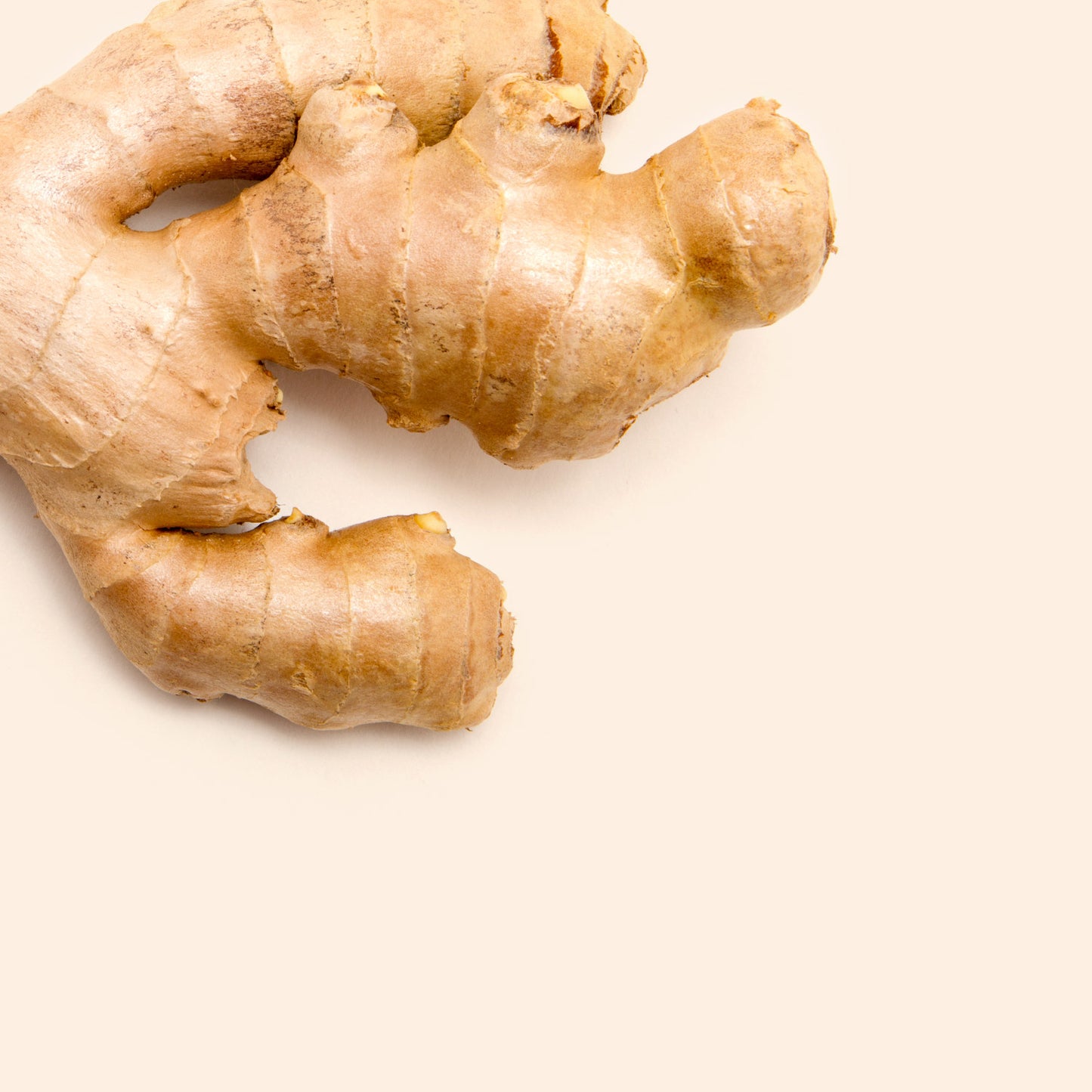
Everyday Wellness™ combines vitamin C, vitamin D3, zinc, vitamin B12, and botanical ingredients such as turmeric, ginger, echinacea, and astragalus into one convenient daily packet.
These ingredients were selected to provide targeted nutritional support, including nutrients involved in normal immune function. While supplements can help address nutritional needs, they don't replace a balanced diet or prevent the flu.
3. Stay Hydrated Throughout the Day
Water plays an important role in nearly every system in your body, including circulation, temperature regulation, and normal cellular function.
Proper hydration also helps maintain the moisture of mucous membranes, including those found in your nose and throat. These tissues are part of your body's natural protective barriers.
When you're dehydrated, you may experience symptoms such as fatigue, headaches, dry mouth, and difficulty concentrating.
To maintain healthy hydration habits:
- Drink water consistently throughout the day.
- Keep a reusable water bottle nearby.
- Include water-rich foods such as fruits and vegetables.
- Increase fluid intake when exercising or sweating heavily.
- Pay attention to thirst and other signs that you may need more fluids.
Electrolytes such as sodium, potassium, magnesium, and chloride also help regulate fluid balance and support normal muscle and nerve function.
Staying hydrated won't prevent a viral infection, but it supports the normal functions your body relies on every day.
4. Make Regular Movement a Priority
Exercise isn't just beneficial for your muscles and cardiovascular health. Regular physical activity is also associated with healthy immune function.
Moderate exercise supports circulation and influences how immune cells move throughout the body. It can also improve sleep quality, support metabolic health, and help manage stress.
You don't need an intense workout to experience these benefits.
Walking, cycling, swimming, strength training, and other activities you enjoy can all contribute to an active lifestyle.
For general health, adults should aim for at least 150 minutes of moderate-intensity aerobic activity each week, along with muscle-strengthening activities on two or more days.
The key is consistency. A 30-minute walk most days of the week is a great place to start.
5. Manage Chronic Stress
Stress is a normal part of life, but ongoing stress can affect more than your mood.
When you're under stress, your body releases hormones such as cortisol that help regulate its response to challenging situations.
Short-term stress responses are normal. However, prolonged stress can disrupt normal immune regulation and contribute to changes in sleep, appetite, and overall health.
Managing stress doesn't mean eliminating every stressful situation. It's about developing habits that help your body recover and maintain balance.
Consider incorporating a few of these activities into your routine:
- Take short breaks during busy days.
- Spend time outdoors or go for a walk.
- Practice deep breathing or meditation.
- Make time for hobbies and activities you enjoy.
- Connect with friends and family.
Even small changes can make it easier to manage daily stress and support your overall well-being.
6. Practice Smart Flu Prevention
Supporting your immune system is important, but reducing your exposure to viruses is another essential part of staying healthy during flu season.
Influenza spreads primarily through respiratory particles released when infected people breathe, talk, cough, or sneeze.
Fortunately, several preventive habits can help lower your risk of infection.
- Get your annual flu vaccine. Vaccination is one of the most effective ways to reduce your risk of influenza and serious flu-related complications.
- Wash your hands regularly with soap and water, especially before eating and after spending time in public places.
- Avoid touching your eyes, nose, and mouth with unwashed hands.
- Improve indoor ventilation when possible to help reduce the buildup of airborne respiratory particles.
- Avoid close contact with people who are sick, and stay home when you're ill to help protect others.
- Consider wearing a well-fitting mask in crowded indoor settings, particularly when respiratory viruses are circulating widely.
These habits work alongside healthy nutrition, sleep, and exercise to provide a more complete approach to flu season.
Can You Really Strengthen Your Immune System?
The phrase "boost your immune system" is common, but it doesn't tell the whole story.
Your immune system is carefully regulated. It needs to recognize threats, respond appropriately, and return to normal once those threats have been addressed.
More immune activity isn't always better. An overactive immune response can contribute to inflammation and other health problems.
That's why the goal should be to support normal immune function rather than trying to constantly increase immune activity.
Adequate nutrition, quality sleep, regular movement, and healthy daily habits all contribute to maintaining a properly functioning immune system.
The Bottom Line
There's no single habit, food, or supplement that can guarantee you won't get sick during flu season.
But there are meaningful steps you can take to support your body's natural defenses and reduce your risk of infection.
Prioritizing sleep, eating a nutrient-rich diet, staying hydrated, exercising regularly, managing stress, and practicing effective flu prevention can all contribute to better health.
Everyday Wellness™ can complement these habits by providing essential vitamins, minerals, electrolytes, and botanical ingredients selected for daily nutritional support.
Ultimately, supporting your immune system isn't about finding a quick fix. It's about building consistent habits that help your body function at its best, during flu season and throughout the year.


